July 24, 2026
The integrity of your brickwork and stone structures is crucial to the structural soundness and aesthetic appeal of your property. Over time, even expertly crafted structures can show signs of wear and tear due to environmental exposure, ground shifting, and moisture. Understanding these warning signals is the first step toward timely interventions. Recognizing these signs early helps prevent further deterioration, maintains the market value of your property, and ensures a safe environment for occupants and visitors alike.
Failing to address minor structural flaws early often results in compounding damage that requires extensive remediation later. Property owners must remain vigilant, inspecting exteriors seasonally to spot anomalies before they compromise the building envelope. By understanding what these indicators mean, you can make informed decisions regarding maintenance and protect your masonry investment from long-term decline.
Identifying Structural Cracks
Cracks in your brick or stone structures are among the most visible signs that your property requires professional attention. Vertical cracks, which frequently develop due to natural foundation settlement, are generally less concerning than horizontal ones. Horizontal fissures often indicate serious structural distress, suggesting that external pressure from soil or water is pushing against the walls. Small hairline fractures can generally be monitored over time, but expanding gaps require immediate professional assessment to determine their underlying cause.
Numerous environmental and physical factors lead to fracturing, ranging from temperature-induced thermal expansion to severe foundation shifts. Step-like cracks following the mortar lines in brickwork typically point to foundation movement or localized sinking. Water infiltration, tree root intrusion, and historical settling also contribute significantly to these failures. Identifying the root cause is necessary to apply a lasting masonry repair that prevents the issue from returning.
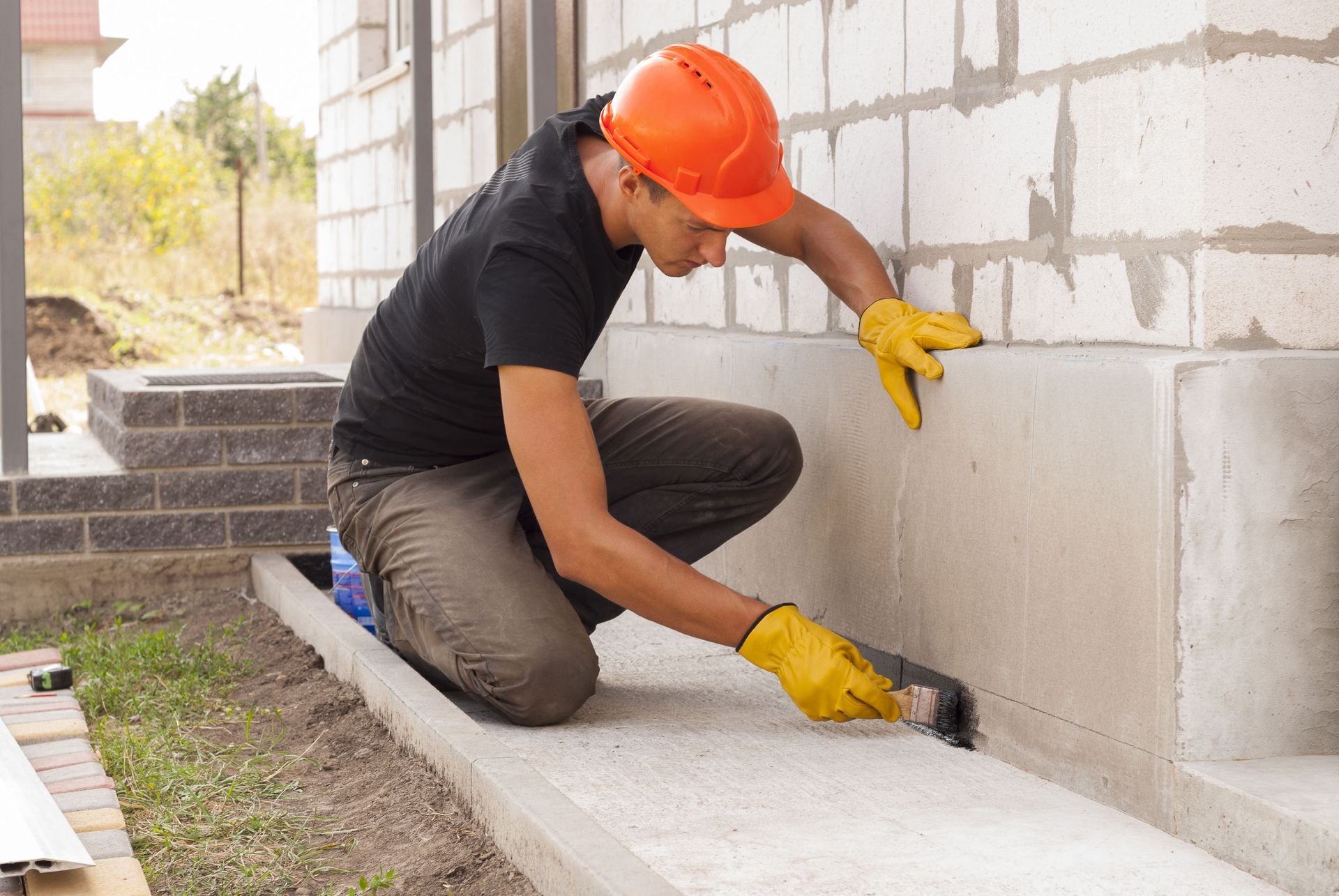
Regularly tracking crack progression with photos and measurements is an excellent preventative practice. If you notice fractures widening, shifting, or multiplying, it is essential to consult a specialist. Implementing early interventions, such as improving drainage around the foundation and applying waterproof sealants, can mitigate minor issues before they evolve into costly structural failures.
Rectifying Bulging Walls
Bulging or bowing walls are a severe indicator of advanced masonry distress that directly jeopardizes the structural integrity of a building. These physical deformations typically result from lateral pressure, which occurs when moisture-laden soil expands against below-grade walls. In other instances, internal metal ties or reinforcement bars rust over time, expanding up to several times their original size and forcing the surrounding brick outward. Ignoring a bulging wall can lead to partial or complete structural collapse.
Determining the risks associated with distorted walls requires an expert diagnostic evaluation. Specialists inspect the affected zones for matching symptoms, such as sheared mortar joints or leaning corners, to gauge total stability. They determine whether the deformation is localized or widespread to dictate the urgency of the intervention. Modern diagnostic tools can measure the deflection accurately, indicating if temporary shoring is required to protect the site.
Remediating bowed masonry requires highly technical stabilization methods rather than simple cosmetic cover-ups. Depending on the severity of the shifting, engineers may utilize heavy-duty wall anchors, helical ties, or structural steel reinforcement to tie the masonry back to the home's internal framing. In extreme scenarios, a partial teardown and rebuild of the brick facade is necessary to restore safety and compliance with local building codes.
Preventing Brick Spalling
Spalling refers to the cracking, flaking, or chipping of brick and stone faces, a condition primarily driven by sub-surface moisture intrusion. The destruction begins when water permeates the porous masonry material and undergoes a freeze-thaw cycle. As the trapped water freezes, it expands, creating internal pressure that eventually pops the outer face off the brick. This leaves the soft, highly porous interior of the brick exposed to accelerated weathering.
According to IBISWorld, the overall market size of the domestic U.S. masonry industry achieved a total valuation of $40.0 billion. This massive economic footprint highlights how common and critical structural preservation is across the country. Preventing widespread spalling involves addressing inadequate drainage, repairing leaking gutters, and avoiding the application of non-breathable synthetic coatings that trap vapor inside the walls. Choosing the right materials during initial construction or remediation also mitigates long-term spalling risks.
Deciding between localized restoration and full replacement depends entirely on the depth of the material degradation. Minor surface flaking might only require targeted cleaning and the application of a breathable silane-siloxane water repellent. However, deeply compromised bricks lose their load-bearing capacity and must be chiseled out individually and replaced with matching units to preserve both structural durability and architectural appearance.
Restoring Damaged Mortar Joints
Damaged mortar joints, characterized by crumbling, hollowing, or cracking of the material between bricks, severely compromise a wall's stability. Mortar is intentionally designed to be softer and more sacrificial than the brick it holds together, meaning it bears the brunt of environmental stress. When mortar disintegrates, the individual masonry units carry uneven weight distributions, which accelerates the cracking and shifting of the entire facade.
Spotting these issues early requires inspecting high-exposure areas for powdery residue, open gaps, or loose stone pieces. Once the mortar bonds break down, water enters the wall assembly easily, driving internal rot and efflorescence. Timely masonry repair targeting these joints prevents moisture from reaching the interior framing and saves property owners from complex structural renovations down the line.
The standard professional process for correcting this deterioration is tuckpointing, which involves carefully grinding out the failing mortar to a specific depth without striking the brick edges. Specialists then pack the joints with fresh, custom-blended mortar that matches the original compressive strength, color, and depth. Executing this work during moderate weather ensures the mortar cures slowly and forms a permanent, weather-tight bond.
Mitigating Water Penetration
Water penetration is arguably the single greatest threat to historical and modern brick structures alike. When water breaches the external masonry envelope, it erodes internal components, ruins insulation, and fosters toxic mold growth inside wall cavities. Persistent dampness also leads to efflorescence, a crystalline salt deposit that indicates water is actively moving through the material and dissolving natural minerals along the way.
Controlling moisture requires a multi-layered strategy focused on redirection and sealing. Property owners should ensure that ground landscapes slope away from foundation walls and that downspouts discharge water far from the structure. Installing or clearing weep holes along the base of brick veneers allows trapped internal moisture to escape naturally rather than pooling behind the facade.
Advanced remediation for severe water intrusion often involves sub-surface injection grouting to fill hidden internal voids or installing waterproof flashing membranes. Ignoring ongoing moisture indicators leads to rapid cosmetic and physical depreciation, eventually lowering property values significantly. Proactive moisture management remains the most reliable method to extend the service life of any brick or stone installation.
Protecting Your Property Investment
Investing in regular maintenance and timely masonry repair is essential for extending the lifespan of your property and maintaining its visual charm. Catching structural anomalies like spalling, open joints, or horizontal cracking early prevents minor fixes from turning into catastrophic structural failures. By remaining observant and acting quickly when damage appears, you protect both the safety of your occupants and your long-term financial equity.
Partnering with experienced professionals ensures that all remediation work respects the original architecture, material properties, and safety regulations of your building. Quality craftsmanship preserves the timeless appeal of brick and stone while fortifying it against future environmental stressors. For more information about the services that we offer, reach out to our incredible team at Two Cousins Masonry today!